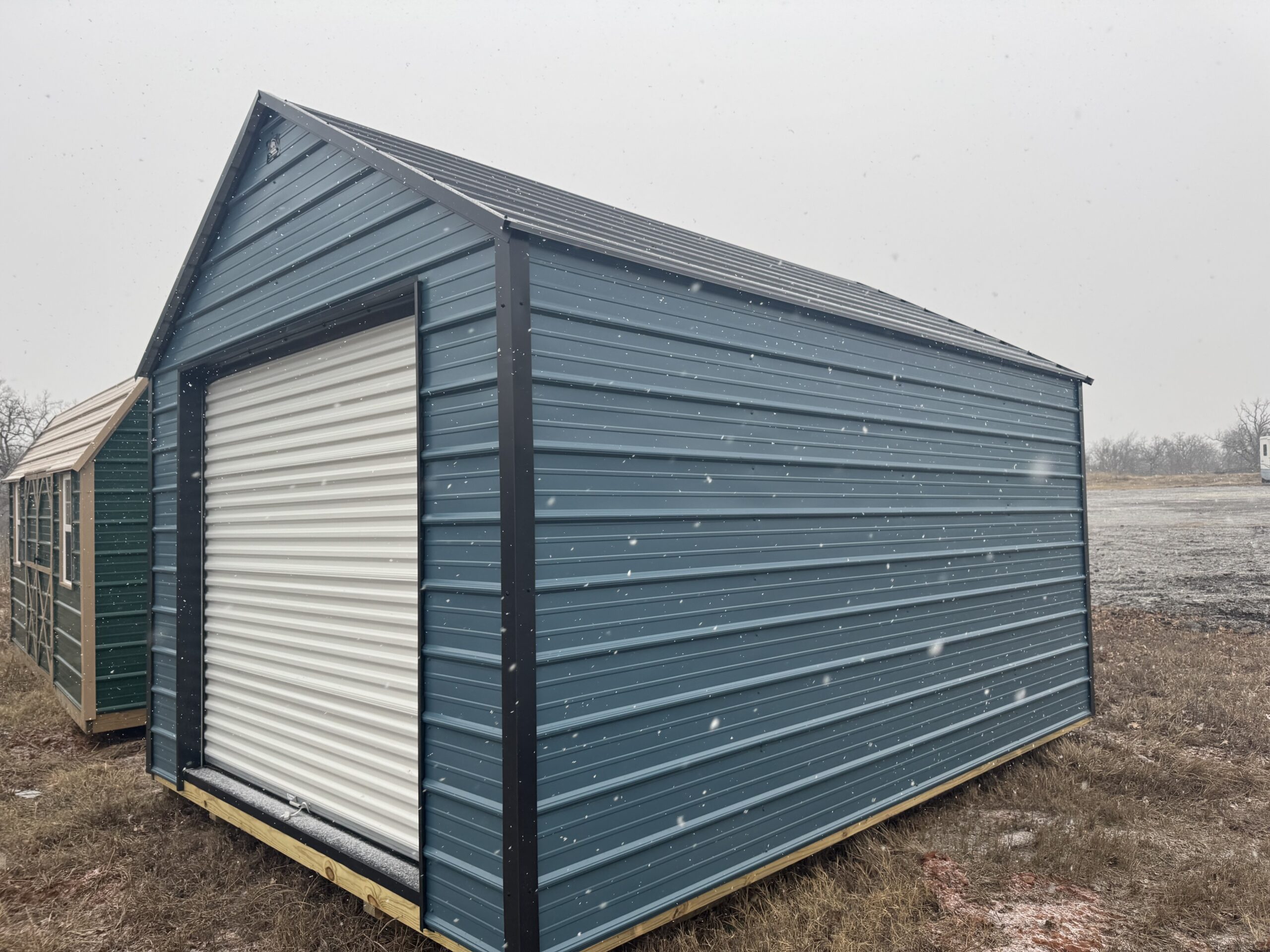
Storms don’t ask permission. Quality portable buildings, whether they’re storing your gear, serving as a hobby space, or standing in as a studio, are built to handle that. A cheap alternative isn’t. Low-grade shed construction is almost always the first thing to fail once severe weather rolls in, leaving your belongings exposed and your investment wasted. Durable materials and proper shed installation, chosen before the storm and not after, protect what matters most.
Oklahoma may sit outside the Gulf Coast’s direct path, but severe storms, high winds, and heavy rainfall are a regular reality here. If you’re looking at cabins and portable sheds in Bartlesville, Oklahoma or nearby areas, those conditions are worth taking seriously. When severe weather arrives, your outdoor structures take the hit first, whether that’s a detached garage storing your equipment or a greenhouse protecting a season’s worth of plants.
In this article, you’ll learn what separates a storm-ready portable building from one that won’t survive the season, including the materials, frame construction, and installation details that matter most when severe weather hits.
What Makes a Portable Building “Hurricane-Ready”?
Not every shed is built the same way. The difference between a building that survives a storm and one that doesn’t often comes down to three things: materials, frame strength, and how the structure was assembled.
Cheap shed construction typically relies on standard wood, thin panels, and exposed fasteners that loosen over time. Wind and moisture do the rest. Quality portable buildings use materials engineered for long-term weather resistance. At Bison Built, that means 40-year metal roofing and water-resistant lifetime flooring on every portable shed in Bartlesville, Oklahoma and beyond. That holds true whether you’re putting up a backyard studio or a working greenhouse.
Here is what to look for before storm season arrives:
- Metal roofing over shingles: A 40-year MPI StrongSeam metal roof has no loose tabs for wind to catch and nothing to re-shingle or re-tar down the road.
- Treated, water-resistant flooring: A lifetime Advantech water-resistant floor resists swelling, warping, and rot even when moisture works its way underneath during a storm. That protects whatever’s stored inside from the ground up.
- Solid frame construction: Treated skids, a wall, and an eave overhang push rainwater away from the walls instead of down the siding. A wind gap on the back wall helps relieve wind pressure, and all-metal siding leaves no exposed wood for moisture to work into.
- Proper shed installation: Anchoring stakes are included at installation, with professional delivery and setup handling the anchoring instead of leaving it to guesswork. That’s the difference between a shed that shifts in a windstorm and one that stays put.
What You Can Build With Storm-Ready Features
Construction quality is the foundation, but the right features also depend on what you’re using the building for.
Loafing sheds and barns. A solid plywood-lined interior gives livestock a safe surface to brush against and holds up better under pressure than thin paneling. Sizes run from 12′ x 12′ up to 12′ x 40′, with optional tack rooms for feed, saddles, and tools.
Utility sheds. A compact, lower-profile design means less surface area for wind to catch, plus double doors standard on 10-foot-wide models and up. Ramps, added windows, and shelving can be built in without giving up the durable metal exterior.
Cabins, she-sheds, and hobby spaces. These carry the same 40-year metal roof, lifetime water-resistant flooring, and solid frame construction as every other building in the lineup. A home office, studio, or retreat space doesn’t get a lower standard of storm protection just because it isn’t a storage shed.
Chicken coops and animal housing. Predator-resistant, weather-resistant construction matters here for the same reason it matters in a loafing shed. Durability protects what’s living inside, not just what’s stored inside.
Whether you are searching for portable sheds in Bartlesville, Oklahoma or exploring storage solutions in Chelsea, Oklahoma, Bison Built holds to the same standard: 40-year metal roofing and siding, lifetime water-resistant flooring, and solid frame construction.
Why Cheap Sheds Cost More in the Long Run
It is easy to look at a low-price building and see savings. What that number rarely shows is the repair cost after the first bad storm.
Flimsy walls buckle under wind pressure. Leaky roofs damage everything stored inside your portable buildings. Doors that warp no longer seal properly, letting in moisture year-round. By the time you factor in repairs, replacement materials, and the loss of stored items, the “affordable” option becomes the expensive one.
Quality portable buildings cost more upfront for a reason. That cost buys you durability, a real warranty, and the confidence that your building will still be standing after hurricane season ends.
Poor shed construction is rarely obvious until a storm puts it to the test. By then, it’s too late to make a different choice.
Frequently Asked Questions
Can a portable building be anchored to withstand high winds?
Yes. Proper shed installation includes anchoring systems designed to keep the structure secure during high-wind events. Ask your provider what anchoring options are available for your specific building size and site.
Do I need a permit for shed installation in Oklahoma?
Permit requirements vary by city and county. It is worth checking with your local municipality before installation to avoid complications, especially for larger structures like detached garages or studios.
How does portable building construction affect storm performance?
The quality of materials and assembly directly determines how well a building holds up. Solid portable building construction uses weather-resistant metal, reinforced frames, and water-resistant flooring.
Is Bison Built a good option for storage solutions in Chelsea, Oklahoma?
Yes. Bison Built manufactures its portable buildings right in Chelsea, Oklahoma, which means shorter delivery times and local knowledge of the conditions your building needs to handle.
The Right Time to Act Is Before the Storm
Waiting until a storm is forecast to think about your storage is too late. Quality portable buildings’ installation takes time, and demand rises sharply as severe weather approaches.
If your current building is showing wear, this season is the right time to replace it. Loose panels, a sagging roofline, or a door that sticks are signs that the next bad storm may be the last one it weathers.
If you’ve been searching for portable sheds in Tulsa, Oklahoma or in other nearby cities, the answer is the same: buy quality once rather than replacing cheap twice.
Contact Bison Built today and start planning a building that stays useful for years beyond it.